5
Negative Effects of the Internet
The internet has transformed the modern world by making communication, learning, and business easier than ever. However, despite its many advantages, the negative effects of the internet are becoming increasingly noticeable. Excessive and irresponsible use of the internet can impact mental health, personal relationships, productivity, and overall well-being. Understanding these disadvantages helps individuals use the internet more wisely and safely.
1. Internet Addiction
One of the major negative effects of the internet is addiction. Many people spend long hours on social media, online games, and streaming platforms, often losing control over their screen time. Internet addiction can reduce productivity, affect sleep patterns, and interfere with daily responsibilities such as work, studies, and family life.
2. Mental Health Issues
Excessive internet use is closely linked to mental health problems such as anxiety, depression, and low self-esteem. Constant comparison on social media, exposure to unrealistic lifestyles, and negative online interactions can harm emotional well-being. The pressure to stay connected at all times can also lead to stress and burnout.
3. Cyberbullying and Online Harassment
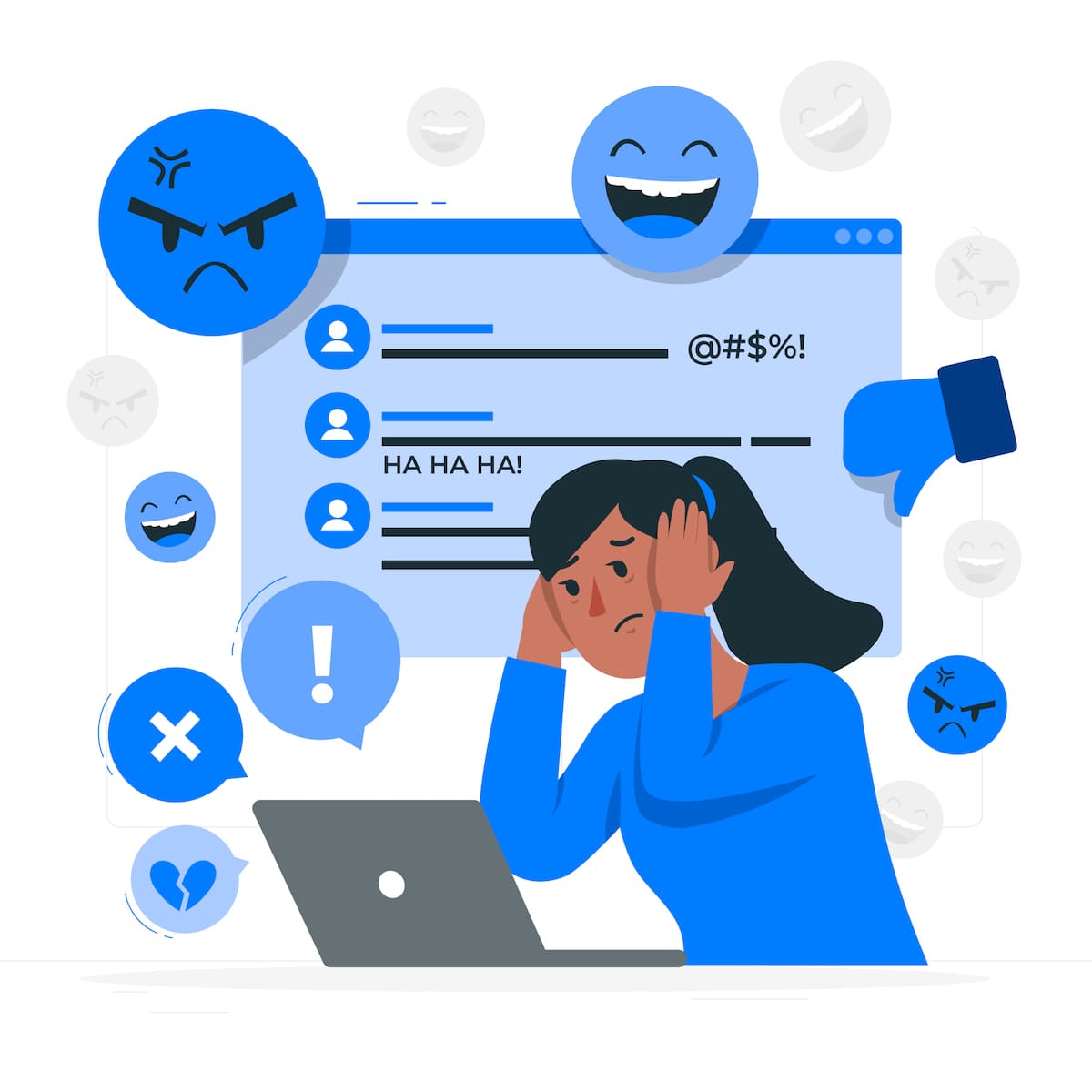
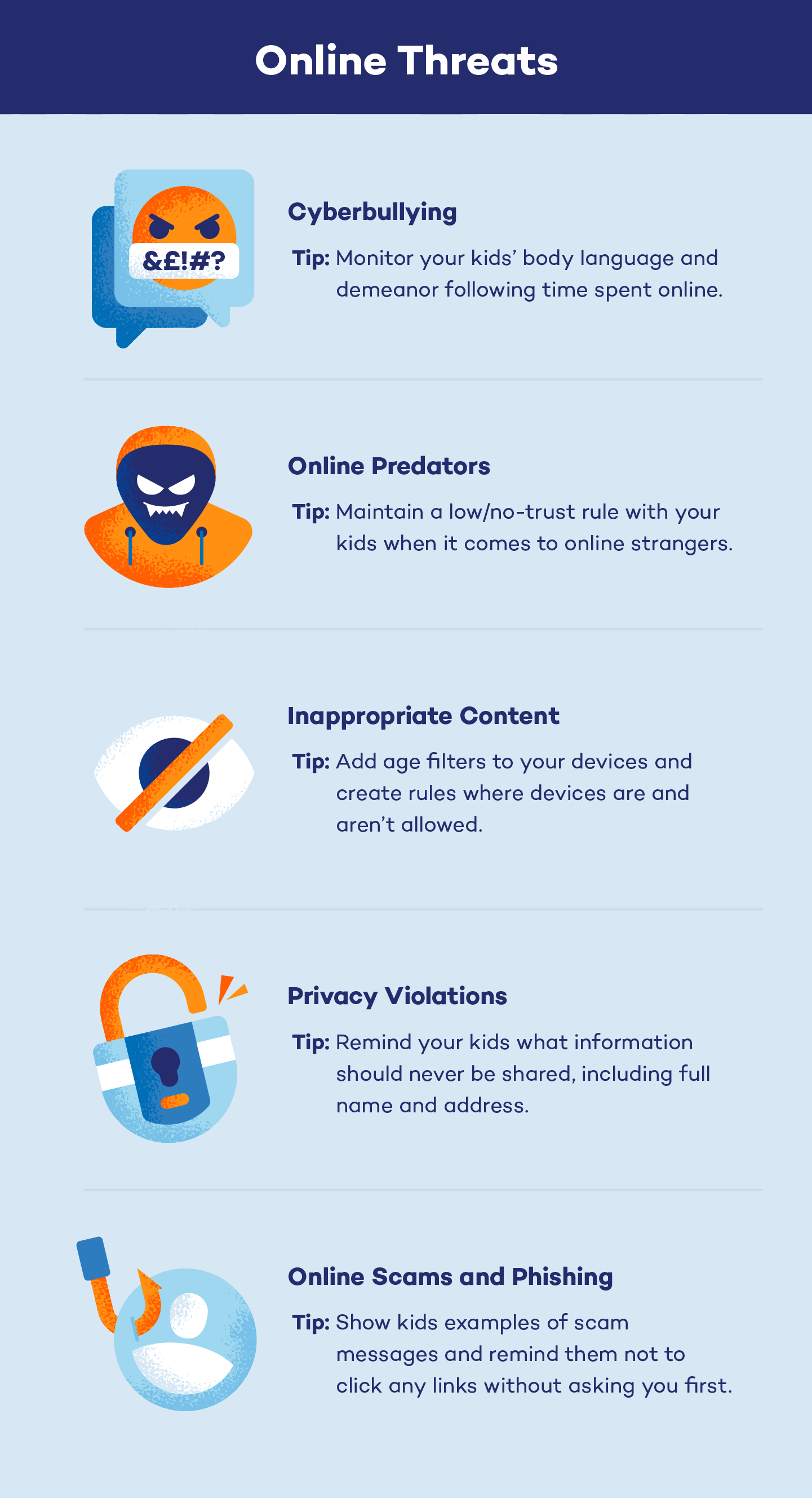
Cyberbullying is another serious disadvantage of the internet. People, especially young users, may face harassment, threats, or humiliation online. Unlike traditional bullying, cyberbullying can happen anytime and reach a wide audience, making it more harmful and difficult to escape.


4. Privacy and Security Risks
The internet exposes users to privacy threats such as hacking, identity theft, and data misuse. Sharing personal information online can lead to financial loss or damage to reputation. Many users are unaware of how their data is collected and used, making online safety a growing concern.
5. Spread of Misinformation
Another negative effect of the internet is the rapid spread of false information. Fake news, rumors, and misleading content can influence opinions and decisions. Without proper fact-checking, users may believe inaccurate information, which can cause confusion and social harm.
6. Reduced Social Interaction
Although the internet connects people globally, it can weaken face-to-face communication. Overdependence on online interactions may reduce real-life social skills and relationships. Many individuals prefer virtual communication, leading to isolation and weakened family bonds.
7. Impact on Children and Teenagers
Children and teenagers are particularly vulnerable to the negative effects of the internet. Exposure to inappropriate content, online predators, and excessive screen time can affect their development, behavior, and academic performance. Parental guidance and internet safety education are essential to protect young users.
Conclusion
In conclusion, while the internet offers many benefits, its negative effects cannot be ignored. Internet addiction, mental health issues, cyberbullying, privacy risks, and misinformation are serious challenges in the digital age. By promoting responsible internet use, setting time limits, and improving digital awareness, individuals can reduce these negative impacts and enjoy a healthier online experience.