5
How to Prevent Attacks and Frauds on the Internet
With the rapid growth of digital technology, the internet has become an essential part of daily life. People use it for communication, shopping, banking, education, and business. However, this convenience also comes with risks. Cyberattacks and online frauds are increasing every day, making internet security more important than ever. Understanding how to prevent attacks and frauds on the internet helps individuals and businesses stay safe online.
1. Use Strong and Unique Passwords
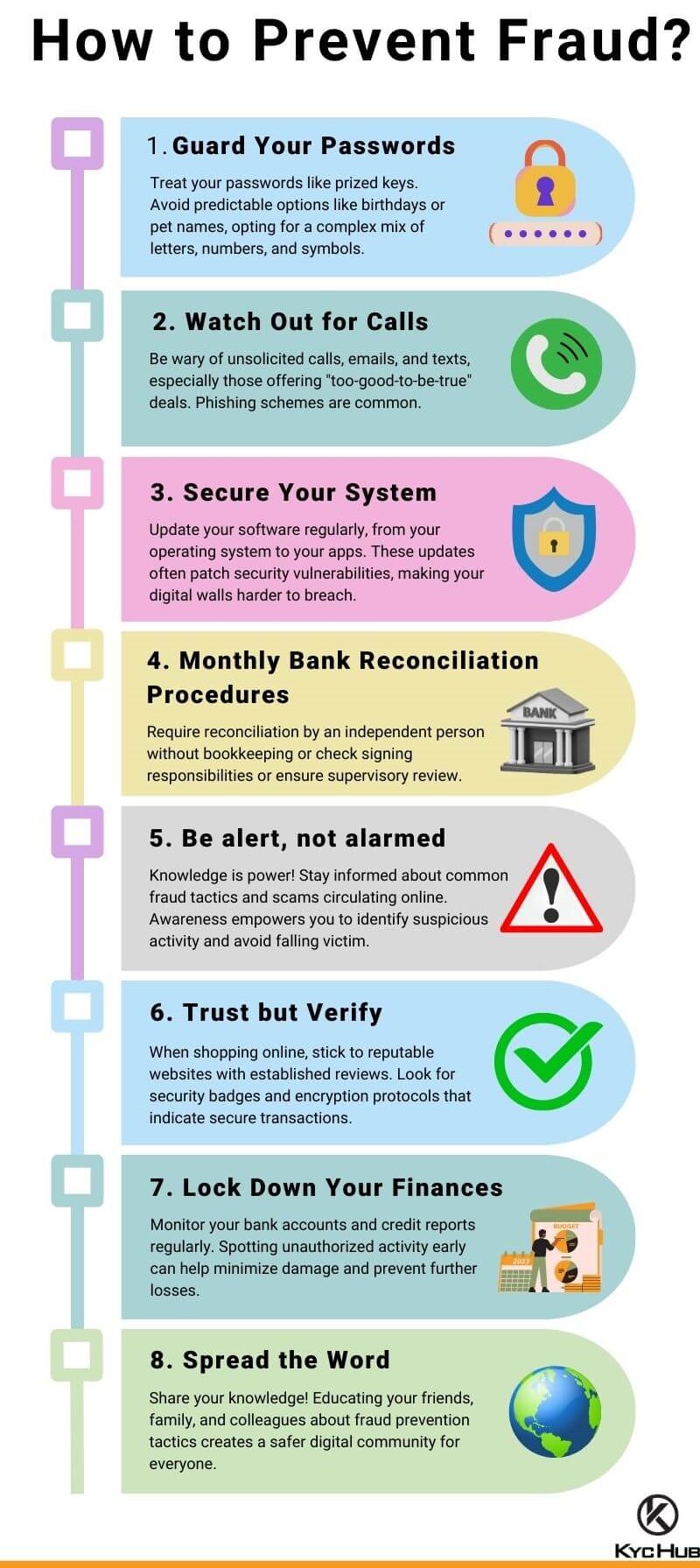
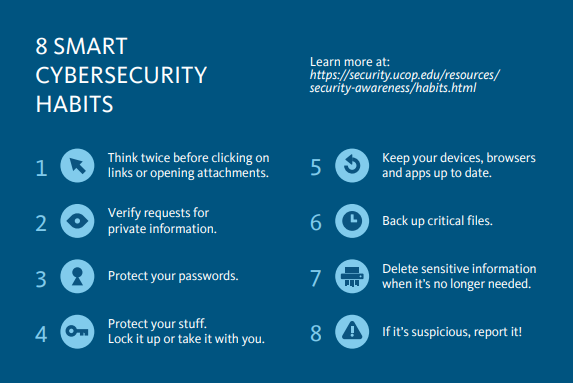
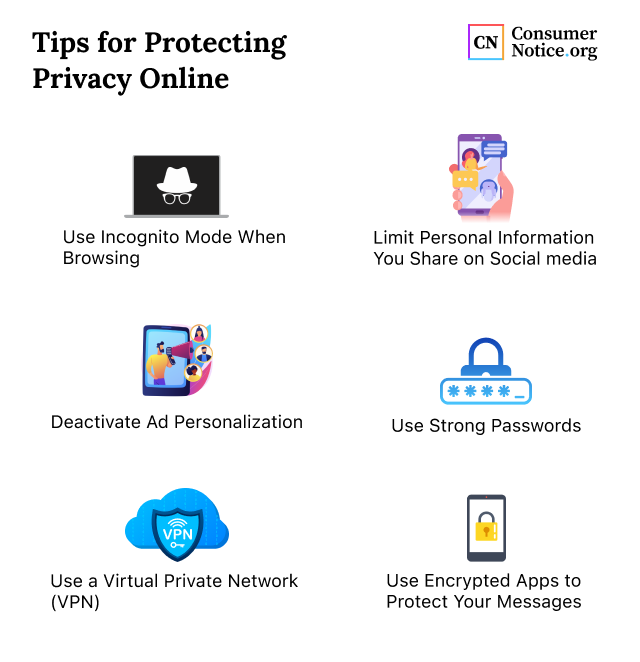
One of the simplest ways to prevent online attacks is by using strong passwords. A secure password should include a combination of uppercase and lowercase letters, numbers, and special characters. Avoid using common passwords such as birthdays or names. It is also important to use different passwords for different accounts to reduce the risk of multiple accounts being compromised.
2. Be Aware of Phishing Scams
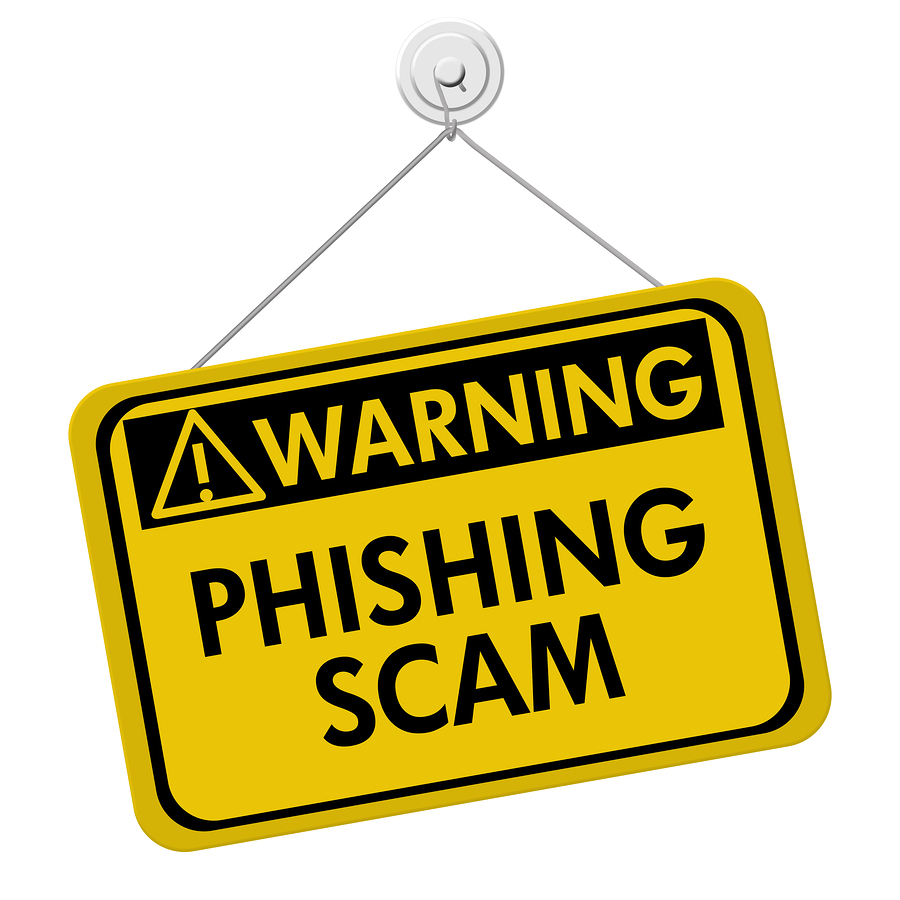
Phishing is one of the most common forms of internet fraud. Cybercriminals send fake emails, messages, or links that appear to be from trusted sources to steal personal information. Always verify the sender before clicking on links or downloading attachments. Avoid sharing sensitive details such as passwords, PINs, or bank information through emails or messages.
3. Keep Software and Devices Updated
Regularly updating your operating system, browser, and applications helps protect against cyberattacks. Updates often include security patches that fix vulnerabilities exploited by hackers. Using antivirus and anti-malware software also adds an extra layer of protection against online threats.
4
4. Enable Two-Factor Authentication
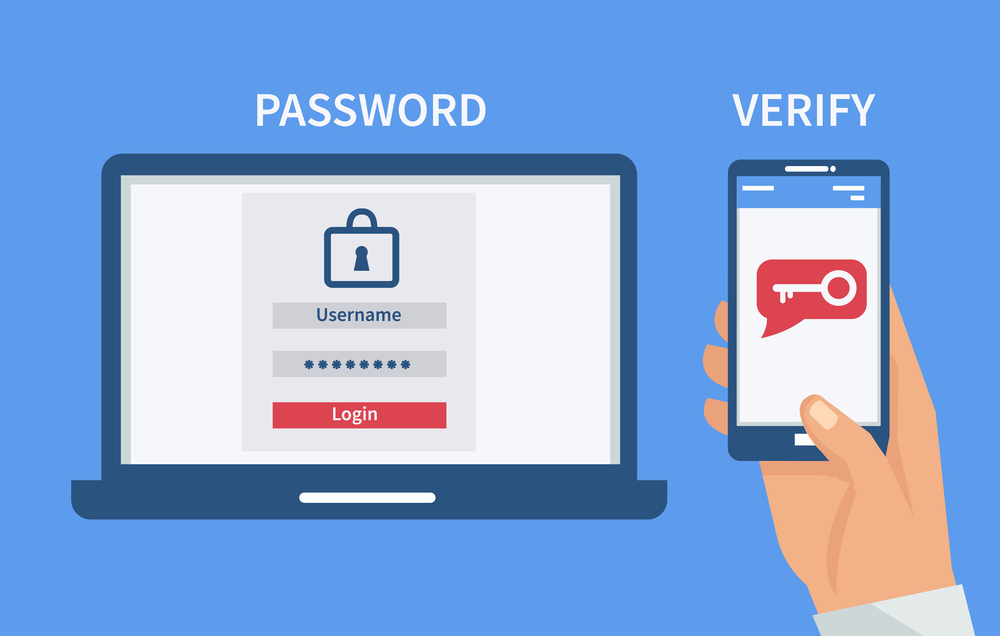
Two-factor authentication (2FA) adds an extra security step to online accounts. Even if a hacker gets your password, they cannot access your account without the second verification code. Enabling 2FA on emails, social media, and financial accounts greatly reduces the risk of unauthorized access.
5. Avoid Public Wi-Fi for Sensitive Activities
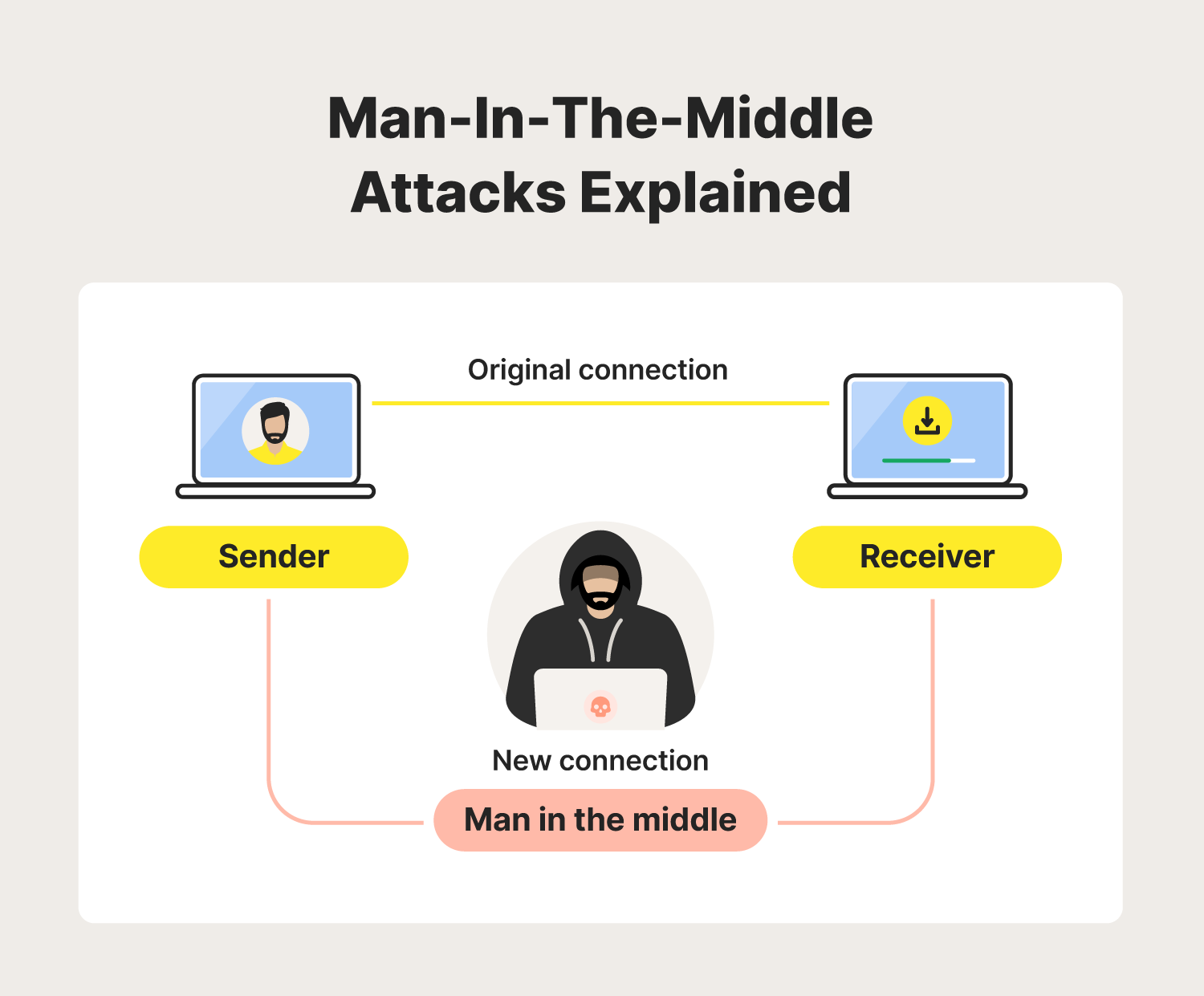
Public Wi-Fi networks are often unsecured and can expose users to cyberattacks. Avoid accessing online banking, making payments, or entering personal information when using public Wi-Fi. If necessary, use a secure virtual private network (VPN) to protect your data.
6. Protect Personal Information
Be cautious about what you share online. Oversharing personal details on social media can make it easier for scammers to target you. Adjust privacy settings on social platforms and limit the amount of personal information visible to the public.
7. Educate Yourself and Others
Awareness is one of the most effective ways to prevent internet fraud. Stay informed about common online scams and cybersecurity tips. Parents should educate children about safe internet use, while organizations should train employees on cybersecurity best practices.
Conclusion
In conclusion, preventing attacks and frauds on the internet requires awareness, caution, and the use of proper security measures. Strong passwords, phishing awareness, regular updates, and secure browsing habits can significantly reduce online risks. By practicing safe internet behavior, individuals and businesses can enjoy the benefits of the digital world while staying protected from cyber threats.